
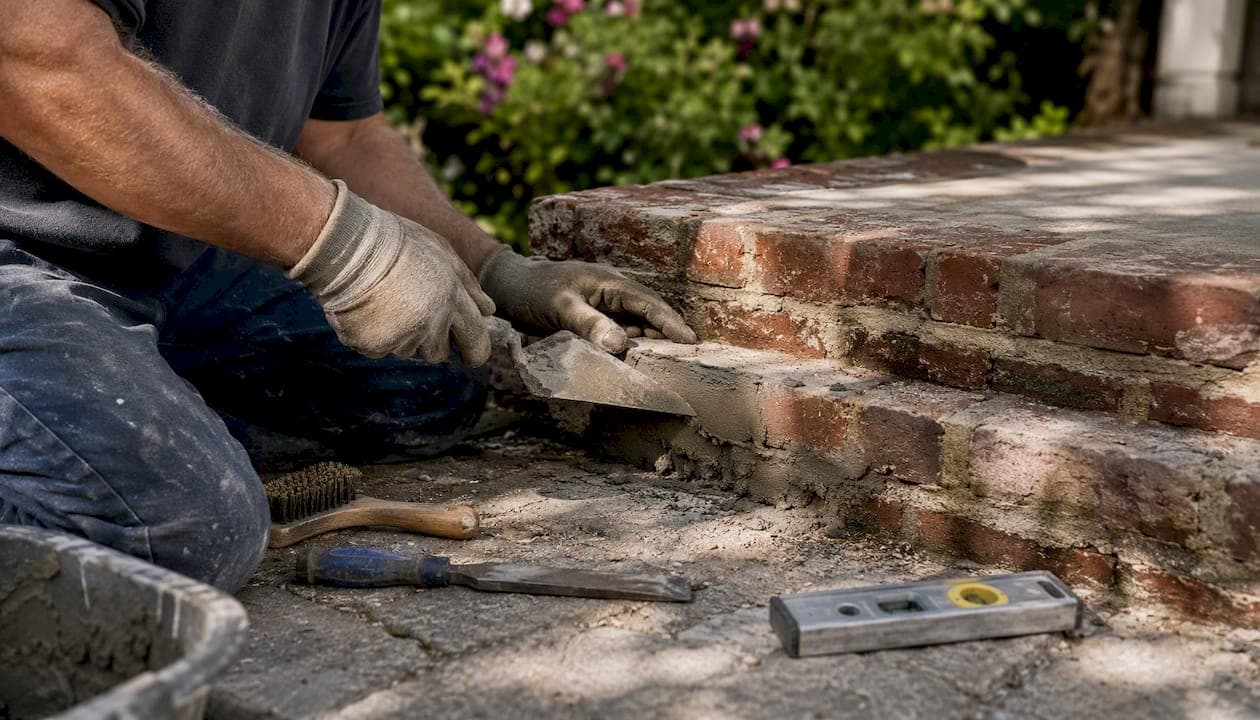
Yes, you can repair brick steps yourself, and in most cases you should try before calling anyone. Loose bricks and failing mortar joints are usually a weekend job with the right materials. But sunken steps, cracks that stair-step across multiple courses, or widespread crumbling brick point to a structural or drainage problem, and that work belongs to a mason.
Two checks tell you which category you're in. Tap each brick with a hammer. A solid brick rings; a loose one sounds dull or hollow. Then run a probe or screwdriver along the joints. If it sinks in more than a half inch without resistance, the mortar has failed.
Red flags that mean stop and call a mason: cracks running diagonally through multiple bricks, a side of the step visibly lower than the other, or joints that are hollow across three or more bricks in a row.
- Solid bricks, minor joint gaps: DIY repointing, likely under $300 in materials
- One or two loose or cracked bricks: DIY replacement, a weekend project
- Sinking, tilting, or widespread hollow joints: contractor territory, often $1,500 and up
Key Takeaways
Small, isolated brick step damage is a repairable DIY project with Type N mortar and proper curing time, but sinking, structural movement, or drainage failure requires a professional mason.
| Point | Details |
|---|---|
| Run the two-check test | Hammer-tap for hollow sound and probe joints for depth before deciding DIY vs pro. |
| Use Type N mortar | It's softer than the brick, letting it absorb stress instead of cracking the unit. |
| Follow the cure schedule | Keep joints damp, avoid traffic for 48 to 72 hours, and wait 28 days for full strength. |
| Budget by scope | DIY repointing runs $50 to $300; professional step repair runs $300 to $750; full replacement runs $1,500 to $4,400. |
| Call Heritage Masonry & Brick for structural signs | Sinking, stair-step cracks, or drainage failure warrant a free estimate and their 5-year workmanship guarantee. |
Table of Contents
- Tools and Materials for Brick Step Repair
- How Do You Reset a Loose Brick on a Step?
- How Do You Replace a Cracked or Spalled Brick?
- When Is a Brick Step Problem Bigger Than a Repair?
- What Does Brick Step Repair Cost, and How Long Does It Take?
- Site Prep, Weather, and Curing Considerations
- When to Call a Professional Mason
- A Mason's Note on Repairs That Actually Last
- Get a Free Estimate for Brick Step Repair in Richmond
- Frequently Asked Questions
- Sources
Tools and Materials for Brick Step Repair
Buying the wrong mortar is the single most common reason a repointing job fails within a year. Most residential brick step repairs call for Type N masonry mortar, not Type S and not straight Portland cement. Type N has enough flexibility to move slightly with the brick during freeze-thaw cycles instead of cracking it.
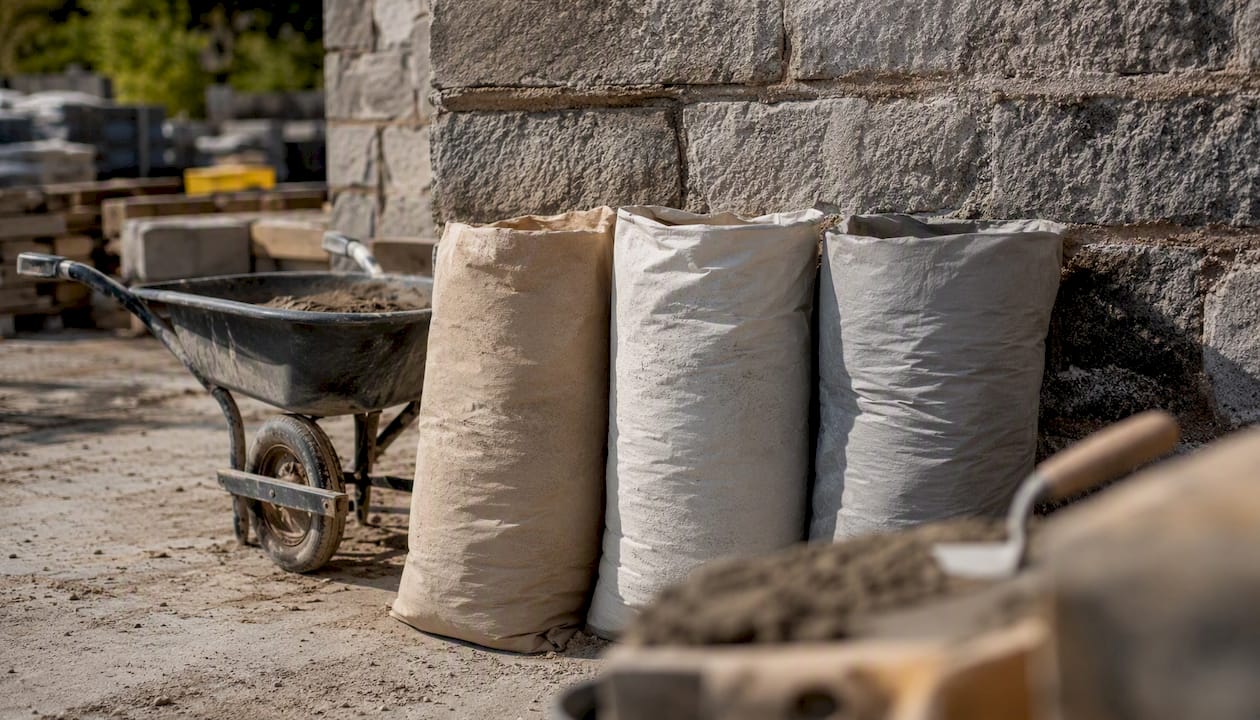
Tools: masonry chisel, hand hammer, tuckpointing or grout bag, jointer/pointing tool, wire brush, torpedo level, safety goggles, work gloves, dust mask.
Materials: Type N mortar, replacement bricks (bring a sample when shopping), clean water, mixing bucket or paddle mixer, breathable silane-siloxane sealer for after the cure.
Rough shopping list: mortar mix, $15 to $20 a bag; a basic chisel and pointing tool set, $25 to $40; a tuckpointing grinder isn't worth owning for one project, so rent one for $40 to $60 a day if you're repointing a long run of joints.
Pro Tip: Mortar should always be slightly softer than the surrounding brick. It's meant to be the sacrificial part of the assembly, cracking and wearing before the brick does, so never substitute pure cement thinking it will last longer. It won't. It'll just crack the brick instead.
How Do You Reset a Loose Brick on a Step?
Before touching a chisel, put on goggles and a dust mask. Mortar dust is nasty stuff to breathe. Lay a drop cloth over any nearby plantings or painted surfaces, and rope off the steps so nobody walks on them mid-repair.
- Remove the old mortar. Chisel out the failed joint around the loose brick to a depth of about 3/4 inch, working gently so you don't chip the neighboring bricks.
- Clean and inspect. Brush out all loose debris and dust with a wire brush. Check the substrate underneath for soundness. If it crumbles further, you may be looking at a deeper repair than a simple reset.
- Wet to SSD. Dampen the brick and cavity until they reach Saturated Surface Dry, meaning damp to the touch with no standing water. A bone dry brick will suck the moisture out of fresh mortar too fast and weaken the bond.
- Butter and bed. Apply mortar to the base of the cavity and butter the sides of the brick, then set it in place.
- Level and align. Use a straight edge across the step to make sure the reset brick sits flush with its neighbors, tamping gently until it's even.
- Tool the joint. Once the mortar is thumbprint hard, usually within an hour or two depending on temperature, run a jointer tool through the seam for a clean, weather-tight finish.
Keep the repaired joint damp for the first few days by misting it lightly. Avoid walking on the step for 48 to 72 hours, and know that the mortar won't hit full strength for 28 days.
- Never pry against a sound brick to loosen an adjacent damaged one; you'll crack good masonry trying to save bad masonry.
- If you hit stair-step cracking or feel movement across several bricks while you work, stop. That's a structural signal, not a repointing job.
Pro Tip: Do the hammer-tap test again after the mortar cures. A hollow sound means you left an air pocket behind the brick, and that pocket will collect water and fail again by next winter.
How Do You Replace a Cracked or Spalled Brick?
Spalling, where the brick face flakes and pops off from trapped moisture, means the unit itself is compromised and repointing won't fix it. If more than the surface is affected, or the brick is cracked clean through, replace the whole unit instead of patching around it.
- Chisel out the surrounding mortar carefully on all sides of the damaged brick.
- If the brick doesn't come free, break it into smaller pieces with the chisel to extract them without disturbing the cavity walls.
- Clean the cavity completely of old mortar and debris.
- Pre-soak the replacement brick until it stops absorbing water and bubbling, then bed it on a mortar layer roughly 1 inch thick.
- Butter the sides, set the brick, and check it against the level with a straight edge.
- Pack the joints solid and tool them to match the surrounding finish.
- Match the mortar color while it's still wet; dry mortar reads lighter than wet mortar, so test a small batch first.
- Let the repair cure fully, then apply a penetrating sealer, never a film-forming one, after the full 28-day cure.
- A single-unit replacement typically runs under $50 in materials if you already have mortar and tools on hand.
When Is a Brick Step Problem Bigger Than a Repair?
Some damage isn't a mortar problem at all. It's a foundation problem wearing a mortar disguise. Stair-step cracks running diagonally through several bricks, hollow sounds across three or more courses, a step that's visibly settled lower than the porch or walkway it meets, and standing water that never drains all point to something happening below the surface.
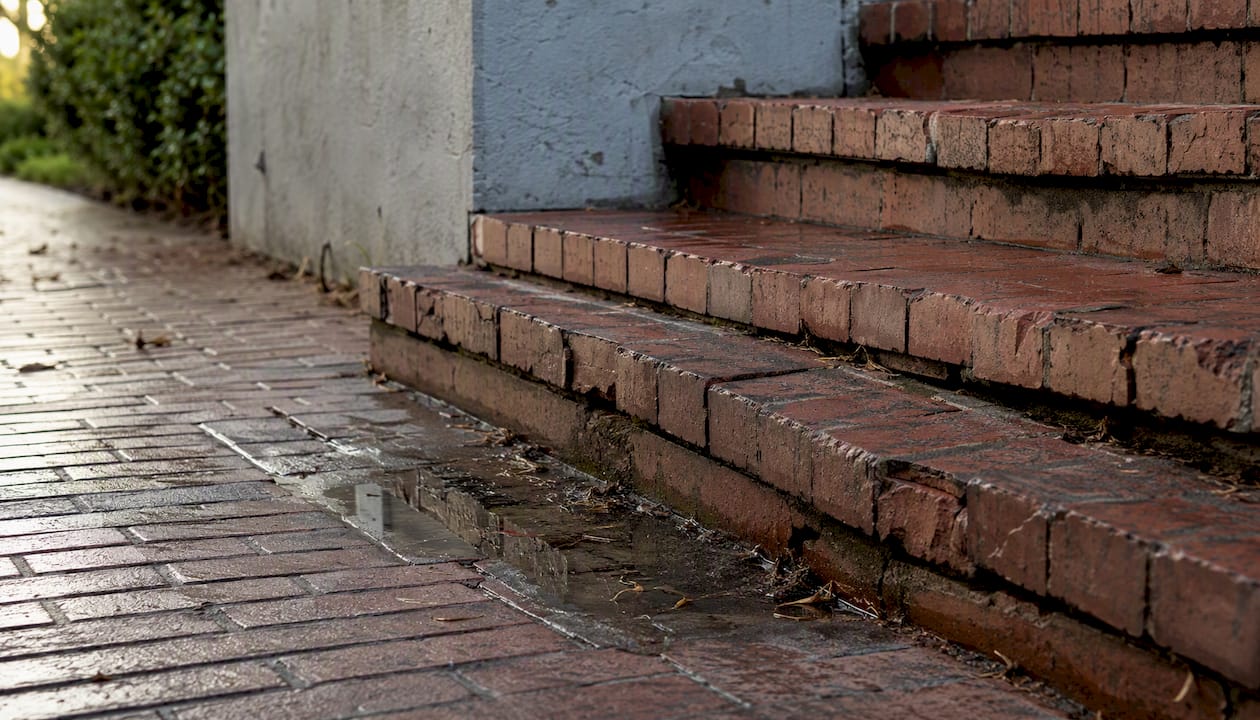
Poor drainage and repeated freeze-thaw cycling are the most common drivers of this kind of failure, and no amount of repointing fixes a step that keeps sinking every winter.
Your options at that point fall into three tiers, including considering alternative stair systems like Deck Stairs in Everett | Cactus Decking. Mudjacking or slab leveling can correct minor settling without a full rebuild. A partial rebuild replaces just the failing courses while keeping sound brick in place. Underpinning or a full rebuild addresses a footing that's failed outright, and that's a job for a mason with structural experience, sometimes alongside a structural engineer's assessment.
If you see settlement at the base of the steps, hollow joints across multiple courses, or cracks that run through more than one brick, that's your signal to get a professional evaluation before spending another dollar on cosmetic patching.
What Does Brick Step Repair Cost, and How Long Does It Take?
Budgeting for a brick step repair starts with knowing which of these three categories your project falls into. DIY repointing on a small area often runs $50 to $300 in materials, while a full stoop replacement is a different scale of project entirely.
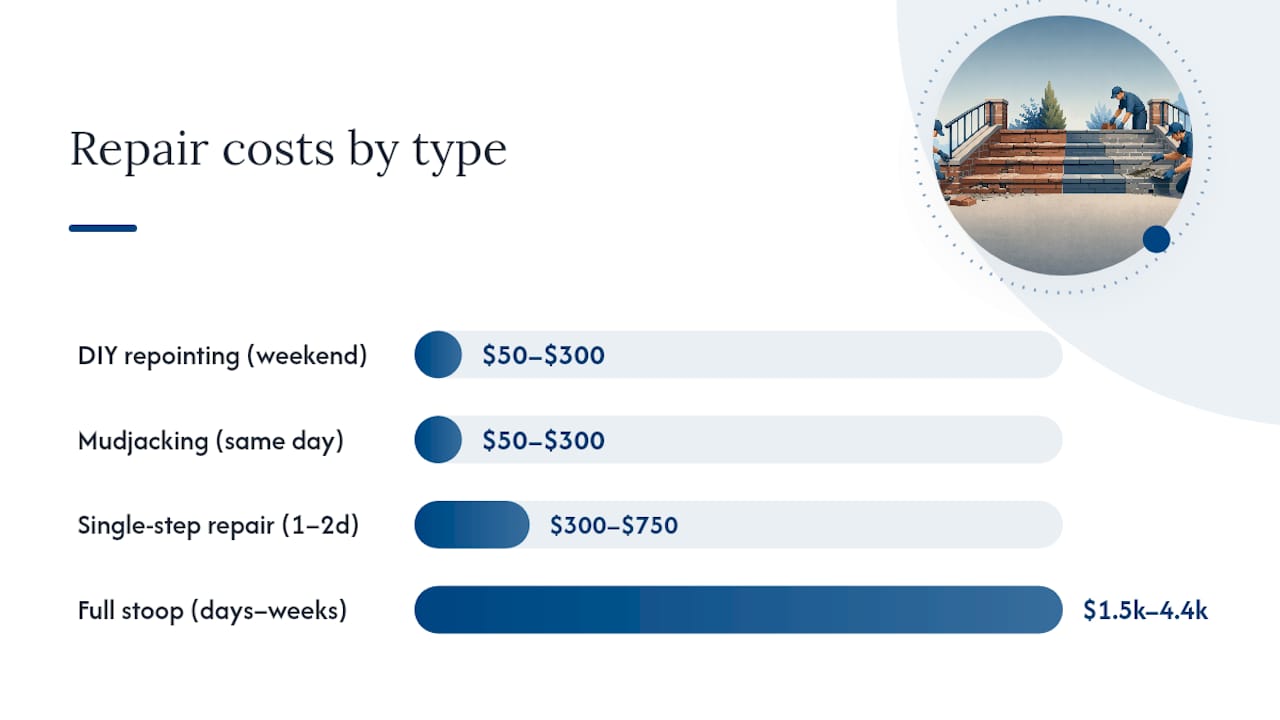
| Repair Type | Typical Cost Range | Timeline |
|---|---|---|
| DIY repointing (materials only) | $50 – $300 | Weekend project |
| Professional single-step repair | $300 – $750 | 1–2 days, 28 days full cure |
| Mudjacking/leveling | $50 to $300 | Same day |
| Full stoop replacement (3–5 steps) | $1,500 – $4,400 | Several days to weeks |
A simple reset or repointing job can reopen to light foot traffic in 24 to 72 hours, though the mortar won't reach full strength for 28 days. Full replacement jobs stretch to days or weeks depending on drying time between phases and weather.
- Matching historic or discontinued brick colors adds cost and lead time.
- Difficult access, such as steps against a tight foundation wall, raises labor time.
- Disposal of old brick and mortar debris is often billed separately.
- Underlying structural work, like footing repair, multiplies the scope significantly.
- Winter weather can delay curing schedules by weeks.
Site Prep, Weather, and Curing Considerations
Mortar cures through a chemical reaction, not simple drying, and that reaction stalls badly below freezing. Work in temperatures above roughly 40°F for reliable results, and never mix mortar if rain is expected within the next few hours.
- Wear goggles, gloves, and a dust mask throughout demolition and mixing.
- Cover nearby plants, siding, and walkways before you start chiseling.
- Mist new joints daily for several days and hold off on sealer until the full 28-day cure is complete.
A repair done in ideal 60 to 75 degree weather with proper curing time will outlast a rushed repair done in November by years, not months.
When to Call a Professional Mason
A mason inspecting brick steps checks more than the visible crack. They'll examine footing and foundation condition below the steps, course alignment across the full run, mortar joint depth and composition, sources of water intrusion, drainage and grading around the base, and whether replacement brick needs custom color matching.
A written quote should break down clearly, typically covering:
- Diagnostic or inspection fee, if charged separately
- Tuckpointing and repointing, usually priced per linear foot
- Brick replacement, priced per unit
- Full stoop rebuild, priced as a project total
- Drainage correction work
- Permits or access costs, where applicable
Pro Tip: Ask any contractor for a scope of work with photos, the exact mortar type and mix they'll use, expected cure and warranty terms, and a fixed price rather than a rough estimate. A vague quote almost always turns into a vague repair.
Heritage Masonry & Brick has handled brick step repair and replacement in the Richmond area for more than 25 years, and every job comes with a free estimate and a 5-year workmanship guarantee.
A Mason's Note on Repairs That Actually Last
After 25 years in this trade, the repairs that fail early almost always share one root cause: someone ignored drainage or grabbed the wrong mortar to save a trip to the supply yard. Type N mortar and proper prep aren't optional extras. They're the difference between a repair that outlasts you and one you're redoing in three years. Heritage Masonry & Brick backs every step repair with that same standard and a 5-year guarantee.
Get a Free Estimate for Brick Step Repair in Richmond
If your steps have moved past a weekend fix, hiring a mason gets you a warrantied repair instead of a second DIY attempt next spring. Heritage Masonry & Brick handles everything from single-brick resets and repointing to full stoop rebuilds and historic brick matching for homes and businesses across the Richmond area.

Every job starts with a free, on-site estimate, and every completed repair carries a 5-year workmanship guarantee, so you're not gambling on whether the fix holds through next winter's freeze-thaw cycle. If your steps show sinking, stair-step cracking, or hollow joints across multiple courses, request your free brick repair estimate today and get a written scope you can actually plan around.
Frequently Asked Questions
Can loose brick steps always be fixed without replacing them? Not always. If the brick itself is sound and only the mortar has failed, repointing solves the problem. If the brick is cracked, spalled, or crumbling, the unit needs replacement.
How much does brick step repair typically cost? Professional single-step repairs generally run $300 to $750, while a full stoop replacement runs $1,500 to $4,400. DIY material costs for small repointing jobs often stay under $300.
What's the best mortar for brick step repair? Type N mortar is the standard choice for residential brick steps because it's strong enough to hold the brick in place but soft enough to act as the sacrificial layer during freeze-thaw cycles.
How long before I can walk on repaired brick steps? Avoid heavy foot traffic for 48 to 72 hours after the repair, though the mortar won't reach full cured strength for 28 days.
When should I call a mason instead of doing it myself? Call a professional if you see stair-step cracking through multiple bricks, visible sinking or settlement, or hollow sounds across three or more courses when tapped. Those signs point to a structural or drainage issue beyond a simple repointing fix.
Sources
- Rapidrepair
- Brick steps repair: ultimate guide - McLeod Landscaping
- How to Repair Your Brick Steps | Step by Step DIY Guide - 757Brick
Compare these methods against a local mason's quote for firm, site-specific pricing.